Dark Pals – How to Master Environmental Awareness, Resource Preservation, and Survival Routing

In Dark Pals, survival is not determined by combat skill alone. The game’s true challenge comes from environmental pressure, limited resources, unpredictable threats, and the psychological stress created by confined spaces. Many players fail not because enemies are too powerful, but because they move carelessly, waste supplies, and misunderstand how the game’s survival systems interact.

Dark Pals rewards patience, observation, and route planning. Every hallway, room, sound cue, and inventory decision contributes to long-term survival. This guide focuses specifically on how to master environmental awareness, resource preservation, and survival routing, taking players from early-game uncertainty to advanced control of the game’s oppressive systems.
Rather than offering generic horror advice, this article deeply examines how Dark Pals structures tension through space management, sound interpretation, item efficiency, and psychological pressure.
Understanding the Core Survival Philosophy
Why Dark Pals Punishes Aggression
Many survival horror games allow players to overpower danger eventually. Dark Pals intentionally limits this possibility.
The game emphasizes:
- Avoidance over confrontation
- Conservation over consumption
- Awareness over reaction speed
Enemies are dangerous not because they are impossible to defeat, but because fighting them drains critical resources.
The Three Pillars of Survival
Long-term success depends on mastering three interconnected systems:
- Environmental awareness
- Resource management
- Movement efficiency
Ignoring any one of these creates vulnerability later.
Beginner Survival Checklist
- Never sprint unnecessarily
- Learn room layouts immediately
- Preserve healing items early
The early game teaches habits that determine late-game survival.
Learning Environmental Awareness
The Environment Is Always Communicating
Dark Pals constantly provides subtle information through:
- Lighting changes
- Sound cues
- Object placement
- Environmental movement
Players who ignore these signals often walk directly into danger.
Reading Environmental Warnings
Common warning signs include:
- Flickering lights near hostile areas
- Unnatural silence
- Repeated noises from specific directions
Observation Strategy
Before entering any room:
- Pause movement
- Listen carefully
- Scan corners and exits
- Identify escape routes
Awareness reduces panic dramatically.
Managing Limited Resources Efficiently

Why Resources Matter More Than Health
Health can sometimes be recovered later. Supplies often cannot.
Critical resources include:
- Healing items
- Batteries or light sources
- Defensive tools
- Key progression items
Avoiding Waste
Common mistakes:
- Healing minor damage immediately
- Using light sources continuously
- Carrying unnecessary items
Resource Preservation Rules
- Heal only when danger is imminent
- Use darkness strategically
- Save high-value items for emergencies
Efficient players survive longer because they prepare for future pressure.
Mastering Movement Through Hallways and Tight Spaces
Hallways Are Designed to Create Vulnerability
Most threats occur in transitional spaces rather than large rooms.
Hallways limit:
- Visibility
- Maneuverability
- Escape options
Safe Movement Techniques
When navigating corridors:
- Walk instead of sprinting
- Check corners carefully
- Keep mental track of nearby exits
Hallway Survival Checklist
- Never commit fully without scanning ahead
- Listen before opening doors
- Avoid backtracking blindly
Movement discipline prevents ambushes.
Understanding Sound-Based Threat Detection
Sound Is More Important Than Visual Information
Enemies are often heard before they are seen.
Key audio indicators:
- Distant footsteps
- Scraping sounds
- Distorted breathing
- Environmental creaks
Differentiating Ambient Noise From Threats
The game uses misleading sounds intentionally.
Learn to identify:
- Repeating environmental loops
- Dynamic movement sounds
- Directional audio shifts
Sound Interpretation Strategy
- Stop moving frequently to listen
- Use silence to locate movement
- Avoid creating unnecessary noise
Good listening reduces surprise encounters.
Inventory Management and Carry Efficiency

Why Inventory Space Creates Tension
Limited inventory forces difficult decisions.
Players must constantly choose between:
- Immediate safety
- Long-term preparation
- Exploration rewards
Prioritizing Inventory Items
Highest priority:
- Essential progression items
- Healing supplies
- Defensive tools
- Optional collectibles
Inventory Optimization Tips
- Store unnecessary items whenever possible
- Avoid carrying duplicate low-value supplies
- Keep at least one emergency slot open
Efficient inventory management increases flexibility.
Safe Room Usage and Mental Resetting
Safe Rooms Are More Than Storage Areas
Safe rooms provide psychological recovery in addition to gameplay utility.
They allow players to:
- Reorganize inventory
- Plan routes
- Reduce stress levels
Strategic Safe Room Planning
Do not leave safe rooms impulsively.
Before exiting:
- Review objectives
- Prepare supplies
- Plan return paths
Safe Room Checklist
- Save progress regularly
- Reload mentally as well as mechanically
- Never waste calm moments
Preparation prevents panic later.
Midgame Threat Escalation and Adaptive Routing
Why Midgame Becomes Dangerous
As progression continues:
- Enemy density increases
- Environmental layouts become more confusing
- Resource pressure intensifies
Adapting Routes Dynamically
Do not rely on fixed paths.
Instead:
- Learn alternative routes
- Avoid recently dangerous areas
- Adjust movement patterns based on enemy behavior
Route Adaptation Rules
- Flexibility is survival
- Memorization alone is insufficient
- Always maintain backup paths
Adaptive players survive unpredictable situations.
Psychological Pressure and Panic Management
Fear Causes Gameplay Mistakes
Dark Pals intentionally creates stress through:
- Tight spaces
- Sudden sounds
- Unclear threats
Panic leads to:
- Wasted resources
- Wrong turns
- Missed environmental cues
Staying Calm Under Pressure
To maintain control:
- Slow movement during danger
- Focus on immediate information
- Avoid rushing decisions
Panic Management Strategy
- Breathe mentally through encounters
- Prioritize escape routes first
- React methodically instead of emotionally
Calmness is a survival skill.
Late-Game Survival Mastery
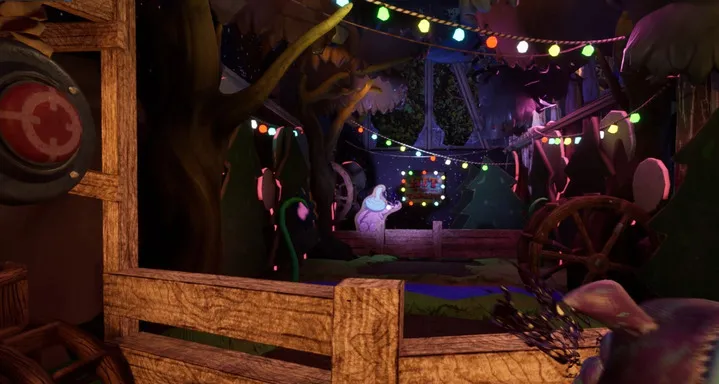
High-Level Play Is About Prediction
Experienced players stop reacting to danger and start anticipating it.
They learn to:
- Predict threat placement
- Interpret environmental manipulation
- Navigate efficiently without hesitation
Combining All Systems Together
Late-game mastery requires integrating:
- Awareness
- Resource conservation
- Route planning
- Psychological control
Final Survival Checklist
- Minimal wasted movement
- Maximum environmental awareness
- Controlled resource usage
- Calm decision-making under pressure
This is where survival becomes strategic rather than reactive.
Conclusion
Dark Pals succeeds because it transforms survival into a psychological and environmental challenge rather than a purely mechanical one. The game’s oppressive atmosphere, limited resources, and carefully designed spaces force players to think carefully about every movement and decision.
By mastering environmental awareness, preserving supplies intelligently, interpreting sound cues, and planning efficient routes, players can gradually overcome the fear and uncertainty that define the experience. The key is understanding that survival is not about speed or aggression—it is about control, patience, and adaptation.
Once players stop fighting the environment and begin reading it properly, Dark Pals transforms from a chaotic horror experience into a deeply strategic survival system where awareness becomes the most powerful weapon of all.