.webp)




Introduction
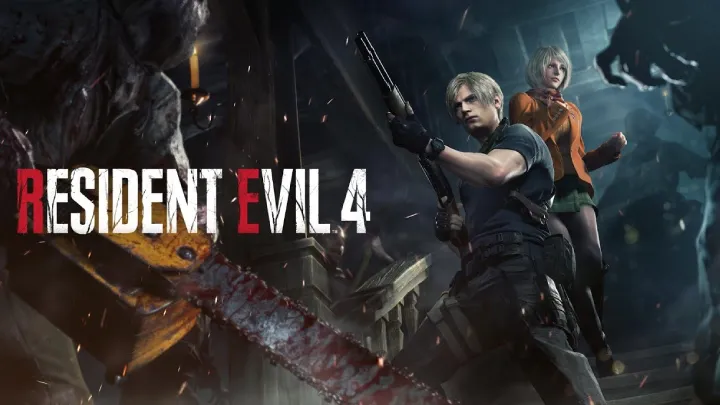
Resident Evil 4 Remake breathes new life into a classic, beloved by fans for its innovative gameplay and scariness. However, one specific issue stands out against the lush backdrop of survival horror: the complex interplay of identity and transformation among its characters. The remake revisits familiar themes of personal and physical transformation, closely tied to the horror elements of the narrative. Through Leon S. Kennedy and the villagers infected by the Las Plagas parasite, the game explores how identity is challenged, altered, and sometimes entirely obliterated. This analysis delves into the nuances of identity in Resident Evil 4 Remake, examining how these themes manifest in character arcs, gameplay mechanics, and broader societal implications.
Identity in Crisis: Leon S. Kennedy
The Protagonist’s Journey
Leon S. Kennedy, the player-controlled character, embodies the struggle for identity throughout the game. Initially introduced as a confident yet somewhat inexperienced government agent, Leon is tasked with rescuing the President's daughter, Ashley Graham. His motivation stems from a deep-rooted personal journey that challenges him to confront who he is and what he stands for amid chaos.
The Weight of Responsibility
As Leon battles infected villagers and monstrous creatures, he grapples with the burden of responsibility. The more he fights, the more he questions his own humanity and moral standing. This crisis of identity is amplified when he confronts the dehumanized villagers who have lost their sense of self to the Las Plagas parasite. By forcing the player to face moral dilemmas—such as killing former humans—Leon’s journey unfolds, compelling players to reflect on their understanding of how identity is constructed and torn down in dire circumstances.
The Horrific Transformation of the Villagers
Falling Victim to the Las Plagas
The transformation of the villagers infected with the Las Plagas parasite serves as a disturbing metaphor for loss of identity. Originally inhabitants of a close-knit community, these characters transform into aggressive, subservient beings who act under the influence of a malevolent force. The Los Ganados, the villagers under the parasite’s control, are stripped of their individuality.
Symbolism of Identity Loss
This loss of identity is visually represented through their grotesque appearances and aggressive behaviors. Formerly human figures transform into monstrous versions of themselves, devoid of will and personality. These transformations pose vital questions regarding humanity and agency; when an individual is overtaken by an external force, how do we define them? Are they still who they were before? The chilling atmosphere created through these transformations contributes to the overall horror and underscores the fragility of identity in the face of overwhelming forces.
The Impact of the Las Plagas Parasite
The Mechanics of Transformation
The Las Plagas parasite serves not only as a plot device but also as a narrative mechanism that complicates character identities. A fascinating aspect of Resident Evil 4 Remake is how both playable and non-playable characters interact with the parasite, showcasing different responses to the same external threat.
Host and Symbiote Dynamics
For example, while some villagers lose themselves entirely, others display varying degrees of resistance. The psychological battle against the parasite showcases different facets of identity: defeat, struggle, and small victories. This complexity encourages players to think critically about identity as fluid and not strictly defined by external conditions.
Ashley Graham's Identity Journey
The Captive and Her Struggle
Ashley Graham, the president’s daughter and another central character, experiences her own identity transformation throughout the game. Initially portrayed as a damsel in distress, her character evolves as the narrative progresses. Captured and held by hostile forces, Ashley must navigate her own challenges of identity, autonomy, and survival.
The Catalyst for Change
Ashley’s development is spurred by her interactions with Leon. While she begins the game as a vulnerable character, her journey toward self-agency is plotted delicately alongside Leon’s. The dynamic between the two allows her to question her environment and ultimately assert her identity. Players witness her growth, realizing that vulnerability does not preclude strength, especially in a life-and-death situation. This duality enriches the narrative, emphasizing that personal transformation can arise from the chaos around them.
The Nature of Fear and Identity
Psychological Horror
The remake diversifies the horror elements existing in the original. Instead of purely focusing on jump scares and monstrous appearances, psychological horror takes center stage. The tension that arises from fear changes how Leon and Ashley perceive themselves and the world around them. As they confront the terrifying reality of their identities under threat, players are encouraged to explore not only the physical world of Nightmare Village but also the psychological dimensions of identity.
Encountering the Unknown
This fear is illustrated through the unpredictable behavior of infected villagers and their relentless pursuit of Leon and Ashley. The dread of being hunted instills a sense of vulnerability that forces them to reckon with their diminishing sense of self. Their identities are anchored in survival, creating an oppressive atmosphere. Players experience this interactive tension, mirroring the anxiety associated with existential crises regarding personal identity.
Mechanisms of Identity Reconstruction
Gameplay Choices that Affect Identity
Resident Evil 4 Remake introduces various mechanics that reinforce the exploration of identity through interactivity. Players encounter choices that shape Leon’s character, emphasizing the impact decisions have on identity construction. As players make choices between lethal force or strategic stealth, they must consider not only immediate consequences but also the development of Leon’s identity.
Item Interactions and Growth
The game integrates resource management and upgrades as means of reinforcing or reinventing identity. Players can upgrade weapons, enhancing their lethality or utility, reflecting Leon's growth as a character. Every upgrade and encounter influences Leon's evolution, allowing players to create a personalized experience that aligns with their interpretation of his identity.
The Narrative Arc of Redemption
Themes of Redemption and Identity
At the core of Resident Evil 4 Remake lies the theme of redemption. Leon’s journey is not merely about eliminating threats; it is also a quest to reclaim his own identity in a world rife with chaos. The choices he makes throughout the game can lead to different interpretations of his character, inviting players to explore varying philosophies around identity and morality.
Impactful Characters as Mirrors
Supporting characters in the narrative, such as Ada Wong and even antagonists like Ramon Salazar and Jack Krauser, serve as mirrors to Leon’s evolving identity. Their multifaceted identities challenge him at every turn, creating dialogue around notions of integrity, power, and the moral gray areas of survival. Players must navigate these complexities, wrestling with their interpretations of right and wrong as they build Leon's narrative arc.
The Emotional Underpinnings of Transformation
Connecting Souls through Crisis
The emotional foundation of the game amplifies the connection between characters and their identities. As characters experience fear, pain, and struggle, their shared humanity becomes a critical aspect of their identities. The game captures moments of vulnerability, urging players to empathize with Leon and Ashley as they navigate their treacherous journey together.
Emotional Payoff of Character Growth
The emotional undercurrents of identity exploration resonate strongly in key moments, particularly in the gameplay. Successfully overcoming challenges together leads to a resolution of Leon and Ashley’s personal struggles. Their vulnerabilities give way to resilience, allowing both characters to emerge stronger despite, or perhaps because of, their identity-altering experiences. Emotional moments of connection remind players that identity formation is often a collective act, shaped by relationships and shared struggles.
The Broader Societal Implications
Reflections on Identity in Modern Times
Finally, Resident Evil 4 Remake prompts gamers to reflect on the implications of identity within modern society. The narrative, laden with the consequences of technological and social disarray, resonates with contemporary anxieties around identity formation in an age defined by transformation—be it psychological, technological, or societal.
Viewing Human Experience Through a New Lens
The juxtaposition of humanity and monstrosity in the game invites players to interrogate their conceptualizations of self and identity within a rapidly changing world. In an era where individuals can easily feel fragmented or dehumanized, Resident Evil 4 Remake serves as a thought-provoking commentary on the complexities of identity in the modern age.
Conclusion
Resident Evil 4 Remake intricately weaves themes of identity into its narrative fabric, presenting a multifaceted exploration of transformation and selfhood. Through the experiences of Leon S. Kennedy and other characters, the game illustrates the fragile nature of identity in the face of chaos, fear, and personal growth. The dynamic interplay of personal agency, societal influences, and emotional connections embodies the complexities of being human—especially in a world riddled with threats. As players navigate the treacherous realms of Night City, they are compelled to reflect on their interpretations of identity, morality, and the defining moments that shape who they are. In its exploration of horror and identity, Resident Evil 4 Remake resonates far beyond the realm of survival, offering a thought-provoking commentary on the human condition.