







Introduction
Health apps promise empowerment. They count steps, track sleep, monitor calories, analyze workouts, and visualize progress with impressive clarity. For millions of users, these applications have become daily companions and personal health authorities. Yet beneath their clean dashboards lies a deeper issue: health apps often redefine wellness through measurable outputs rather than holistic well-being. This article analyzes five widely used health and fitness apps—Apple Health, Fitbit, MyFitnessPal, Strava, and Headspace—through one focused lens: how constant self-tracking subtly distorts users’ perception of health, progress, and personal value. Instead of general reviews, this analysis explores the long-term psychological and behavioral consequences of metric-driven wellness.
1. The Shift From Internal Awareness to External Health Metrics
Before health apps, people evaluated wellness through bodily cues: energy levels, mood, restfulness, and physical comfort. Health apps replaced these subjective signals with quantifiable data.
Steps, heart rate, calories, and minutes become proxies for health. Over time, users learn to trust numbers more than bodily intuition, even when the two conflict.
Why Numbers Feel More Trustworthy Than Feelings
Metrics appear objective, even when they represent incomplete or context-free interpretations of health.
2. Apple Health and the Centralization of Bodily Data
Apple Health aggregates data from multiple sources into a single dashboard. This centralization creates a powerful narrative of control and completeness.
However, by unifying diverse bodily signals into standardized metrics, the app implies that health is fully measurable. Users begin to equate dashboard completeness with bodily understanding.
When Data Coverage Becomes Health Confidence
Seeing “all data filled” often feels like being healthy, regardless of lived experience.
3. Apple Health’s Trend Visualizations and Anxiety Amplification
Trend lines and comparisons over time are designed to show progress. However, fluctuations—often normal—can trigger unnecessary concern.
Users may fixate on small deviations, interpreting them as problems. The app unintentionally amplifies health anxiety by highlighting variability without context.
Common User Reactions
- Obsessive checking
- Overinterpretation of minor changes
- Increased worry despite normal health

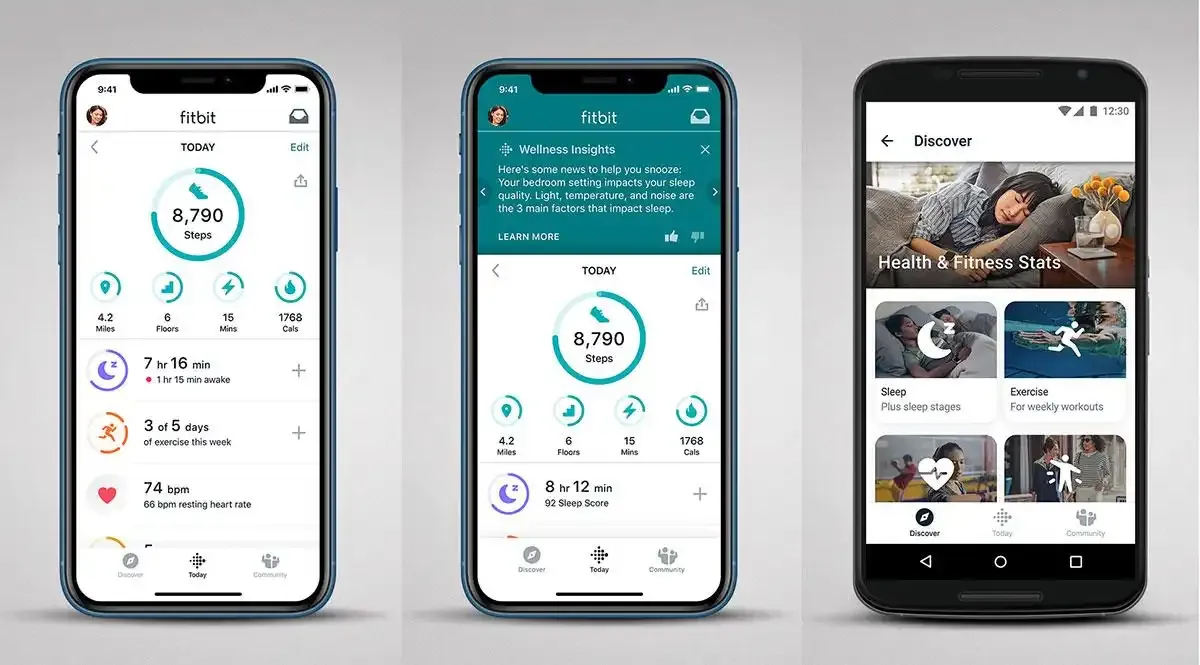
4. Fitbit and the Gamification of Daily Movement
Fitbit transforms physical activity into goals, streaks, badges, and rankings. While motivating, this design reframes movement as obligation.
Users walk to hit numbers, not to feel better. Rest days feel like failure, even when physically necessary.
Movement as a Score, Not a Need
The body becomes a productivity system rather than a living organism.
5. Fitbit’s Step Count Dominance and Activity Distortion
Step count becomes the dominant metric, overshadowing other forms of movement such as stretching, strength training, or rest.
Users prioritize steps even when unsuitable—walking injured, pacing indoors unnecessarily, or ignoring recovery needs.
Behavioral Distortions
- Walking for numbers, not purpose
- Undervaluing non-step activities
- Reduced listening to physical limits
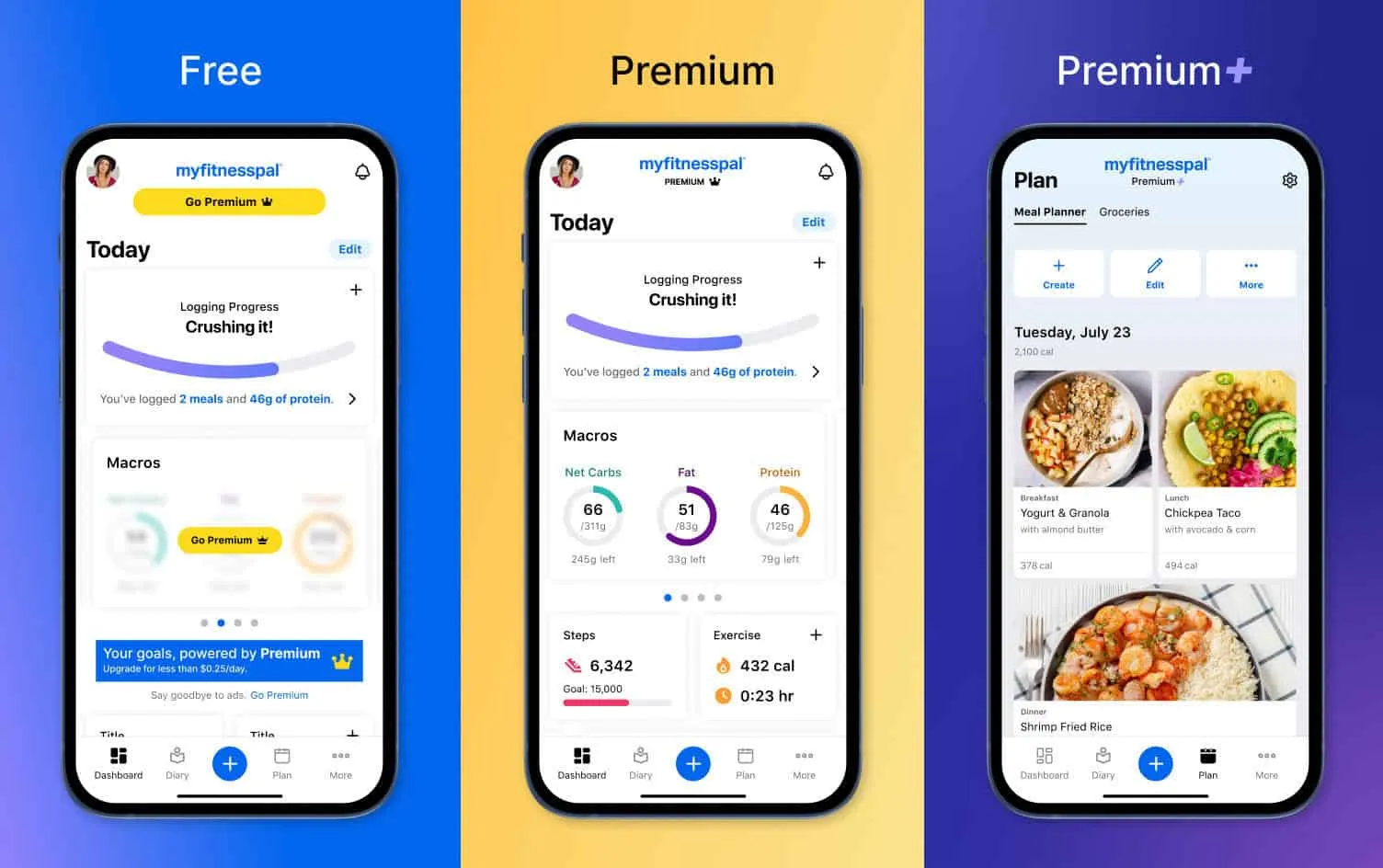
6. MyFitnessPal and the Reduction of Nutrition to Arithmetic
MyFitnessPal simplifies eating into calories and macronutrients. Food becomes numerical input.
While educational initially, long-term use can reduce eating to optimization rather than nourishment. Emotional, cultural, and social aspects of food disappear.
When Eating Becomes a Math Problem
Users focus on staying “within limits” rather than understanding hunger or satisfaction.
7. MyFitnessPal’s Logging Discipline and Guilt Cycles
Missed logs feel like failure. Overages feel like moral lapses.
This framing introduces guilt into eating habits. Instead of fostering sustainable relationships with food, the app can encourage restrictive cycles.
Psychological Side Effects
- Food anxiety
- Compulsive tracking
- Loss of eating flexibility
8. Strava and the Public Performance of Physical Fitness
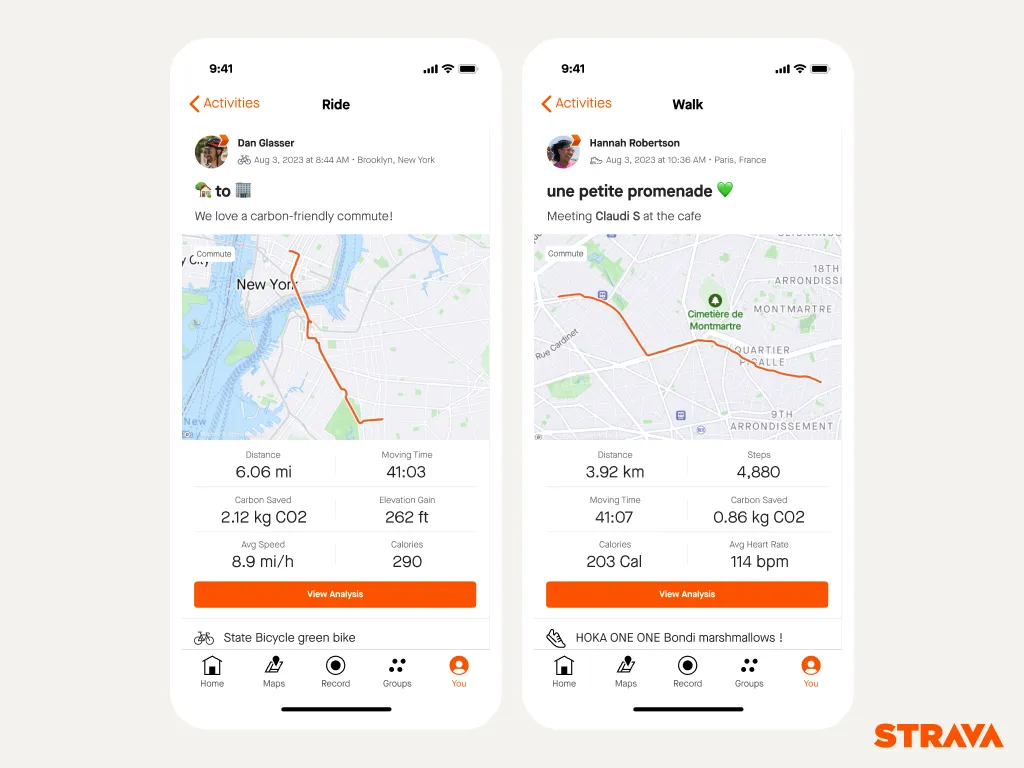
Strava adds a social layer to fitness. Activities are shared, ranked, and compared.
Exercise becomes performative. Users may push harder not for health, but for visibility and validation.
Fitness as Social Identity
Workouts become content, not personal care.
9. Strava’s Competitive Metrics and Risk Escalation
Leaderboards and segment rankings reward speed and intensity.
Some users ignore safety or recovery to improve rankings. The app rewards extremes rather than sustainability.
Risk Behaviors Observed
- Overtraining
- Ignoring injury signals
- Unsafe route choices
10. Headspace and the Quantification of Mental Calm
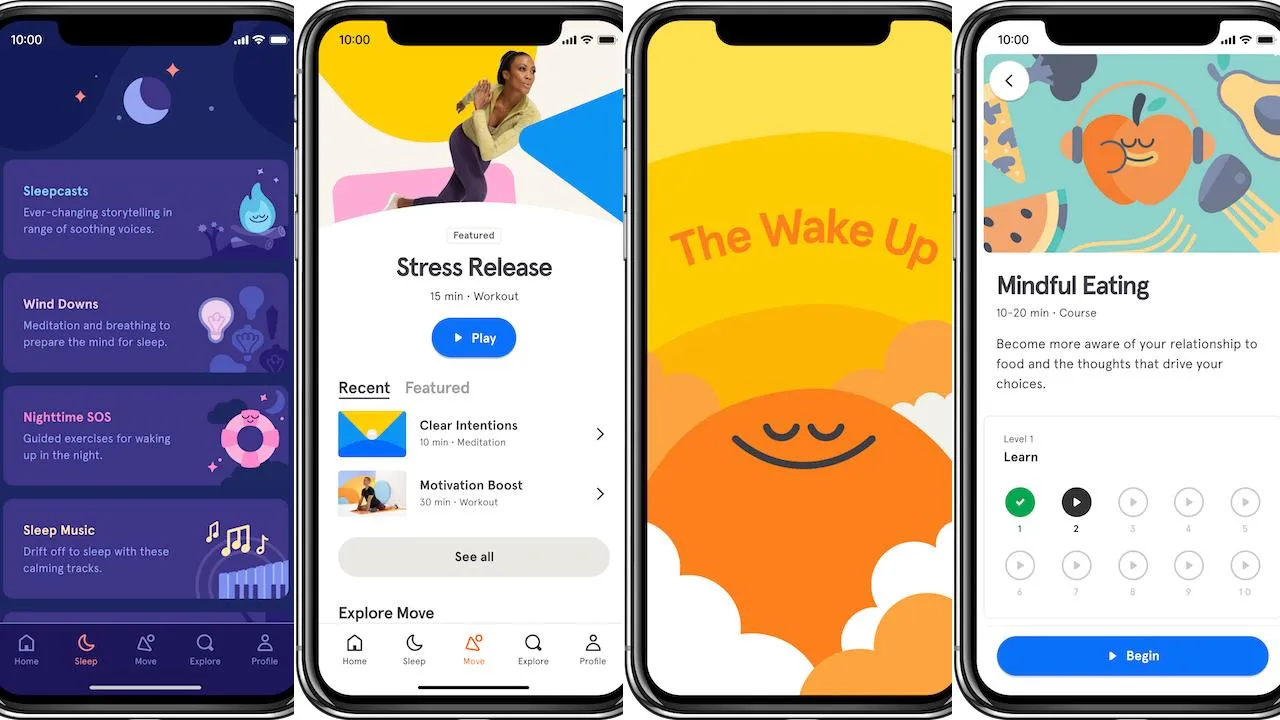
Headspace attempts to measure calm through streaks, minutes, and progress paths.
Meditation becomes another productivity task. Users feel pressure to maintain consistency rather than presence.
When Mindfulness Becomes Performance
Calmness loses meaning when it is measured instead of felt.
Conclusion
Apple Health, Fitbit, MyFitnessPal, Strava, and Headspace each aim to improve well-being. Yet together, they illustrate a broader issue: health apps redefine wellness as measurable achievement. By prioritizing metrics, streaks, and visual progress, these applications shift users away from embodied awareness toward external validation. Health becomes something to manage, optimize, and prove—rather than experience. True wellness requires data-informed guidance, not data-dominated identity. Recognizing the limits of self-tracking is essential for reclaiming a healthier relationship with both technology and the body.
160-Character Summary
A deep analysis of five health apps reveals how constant self-tracking distorts wellness by prioritizing metrics over bodily awareness and balance.